

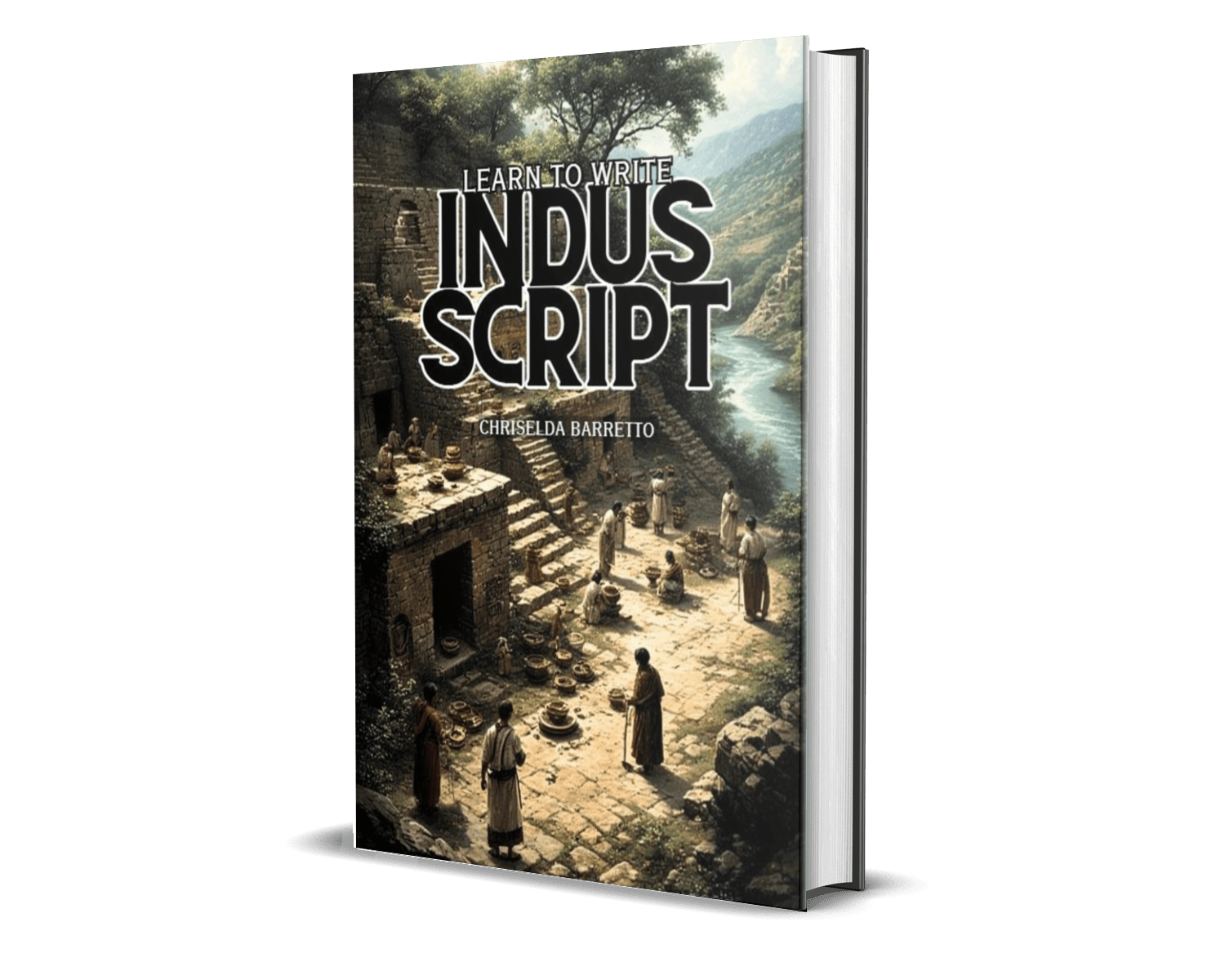
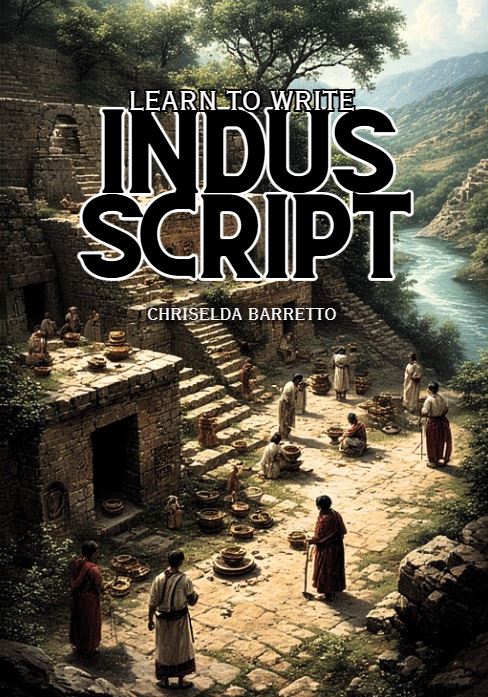
Indus inscriptions provide crucial insights into the history of pre-Iron Age India and the Indo-European peoples, yet they have remained undeciphered for over a century. Previous attempts at decipherment have been only partial, unsatisfactory, and unfalsifiable. In this approach, the Indus script is decoded by treating it as a large cryptogram, as outlined by Claude Shannon.
Each sign is deciphered in sequence using regular expressions and set-intersection techniques. It is revealed that the Indus script is a proto-abugida segmental system, featuring signs for both consonants and vowels. The inscriptions are found to be in grammatically correct post-Vedic Sanskrit, with 76 allographs making up the majority of the signs, while conjunct signs account for the remainder.
The earliest evidence of the Indus script can be found in graffiti on potsherds dating back to 4000 BCE in Balakot. This period showcases both abstract and intricate versions of the signs. However, it remains uncertain whether the script initially developed as a pre-writing system akin to cuneiform, as artifacts from this era do not provide conclusive insights. Over the course of a millennium, the script appears to have transformed into a more standardized writing system. By the mature phase around 2600 BCE, the inscriptions show a considerable level of consistency across both time and space.
Get LTW INDUS SCRIPT – Paperback on Amazon:


The entire LTW Language Learning Series
Chriselda Barretto – Entire Kids Books Collection
Chriselda Barretto – Entire Book Collection
Chriselda Barretto – Jewelry Collection
Specialized Chris-Tal Healing Bracelets
OTHER PROJECTS BY CHRISELDA BARRETTO
CHRISELDA’S PRE-ORDER COLLECTION
CHRISELDA BARRETTO – SOCIAL MEDIA LINKS
 Chriselda Barretto