The LTW Language Learning Series
Chriselda Barretto – Entire Kids Books Collection
Chriselda Barretto – Entire Book Collection
OTHER PROJECTS BY CHRISELDA BARRETTO
CHRISELDA’S PRE-ORDER COLLECTION
CHRISELDA BARRETTO – SOCIAL MEDIA LINKS

Author – Speaker – Poet – Quotist – Podcaster – Blogger – Jewelry Designer – Journalist – Healer – Artist
The LTW Language Learning Series
Chriselda Barretto – Entire Kids Books Collection
Chriselda Barretto – Entire Book Collection
OTHER PROJECTS BY CHRISELDA BARRETTO
CHRISELDA’S PRE-ORDER COLLECTION
CHRISELDA BARRETTO – SOCIAL MEDIA LINKS
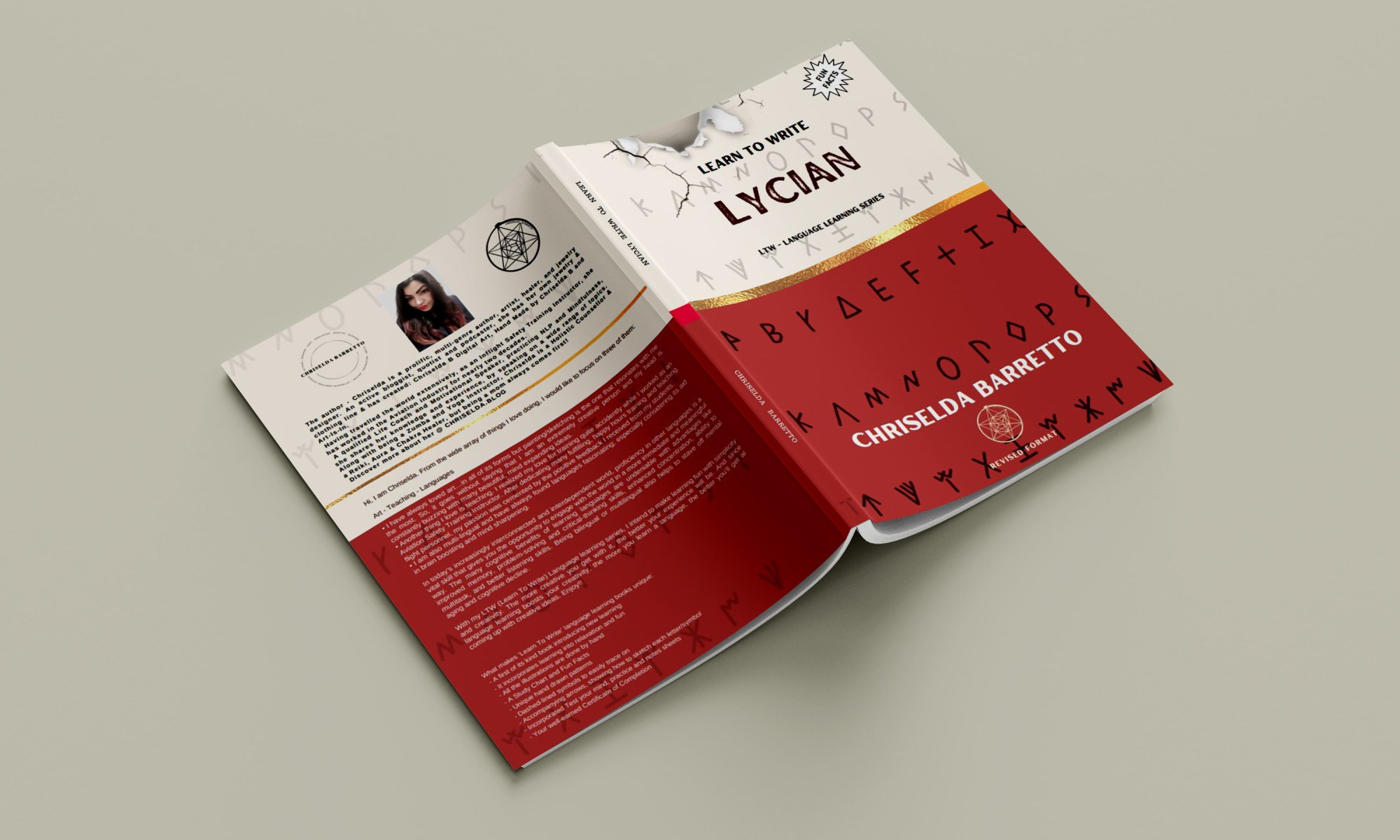

Also includes “Fun Facts” and “Test Your Mind”
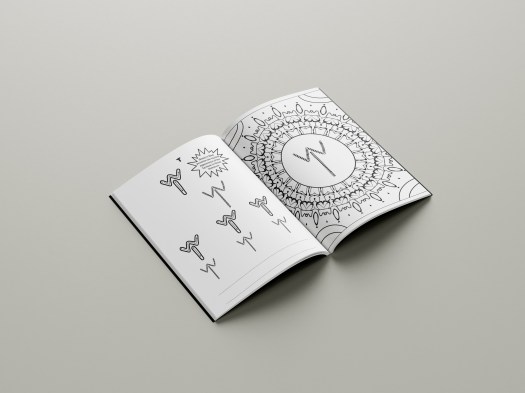
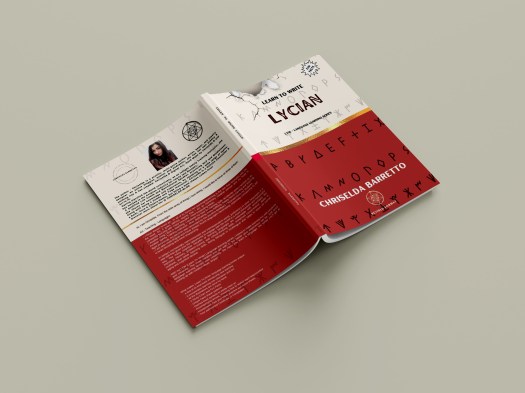
The Lycian alphabet was used during 500-330 BC, to write the Lycian language of the Asia Minor region of Lycia. It was one of the ancient Anatolian languages.
Evidence for Lycian consists of more than 150 inscriptions on stone, some 200 on coins, and a handful on other objects. An extension of the Greek alphabet, with half a dozen additional letters for sounds not found in Greek, it was largely similar to the Lydian and the Phrygian alphabets.
It was written from left-to-right
What makes ‘Learn To Write’ language learning books unique:
The LTW Language Learning Series
Chriselda Barretto – Entire Kids Books Collection
Chriselda Barretto – Entire Book Collection
OTHER PROJECTS BY CHRISELDA BARRETTO
CHRISELDA’S PRE-ORDER COLLECTION
CHRISELDA BARRETTO – SOCIAL MEDIA LINKS
The LTW Language Learning Series
Chriselda Barretto – Entire Kids Books Collection
Chriselda Barretto – Entire Book Collection
OTHER PROJECTS BY CHRISELDA BARRETTO
CHRISELDA’S PRE-ORDER COLLECTION
CHRISELDA BARRETTO – SOCIAL MEDIA LINKS

The LTW Language Learning Series
Chriselda Barretto – Entire Kids Books Collection
Chriselda Barretto – Entire Book Collection
OTHER PROJECTS BY CHRISELDA BARRETTO
CHRISELDA’S PRE-ORDER COLLECTION
CHRISELDA BARRETTO – SOCIAL MEDIA LINKS

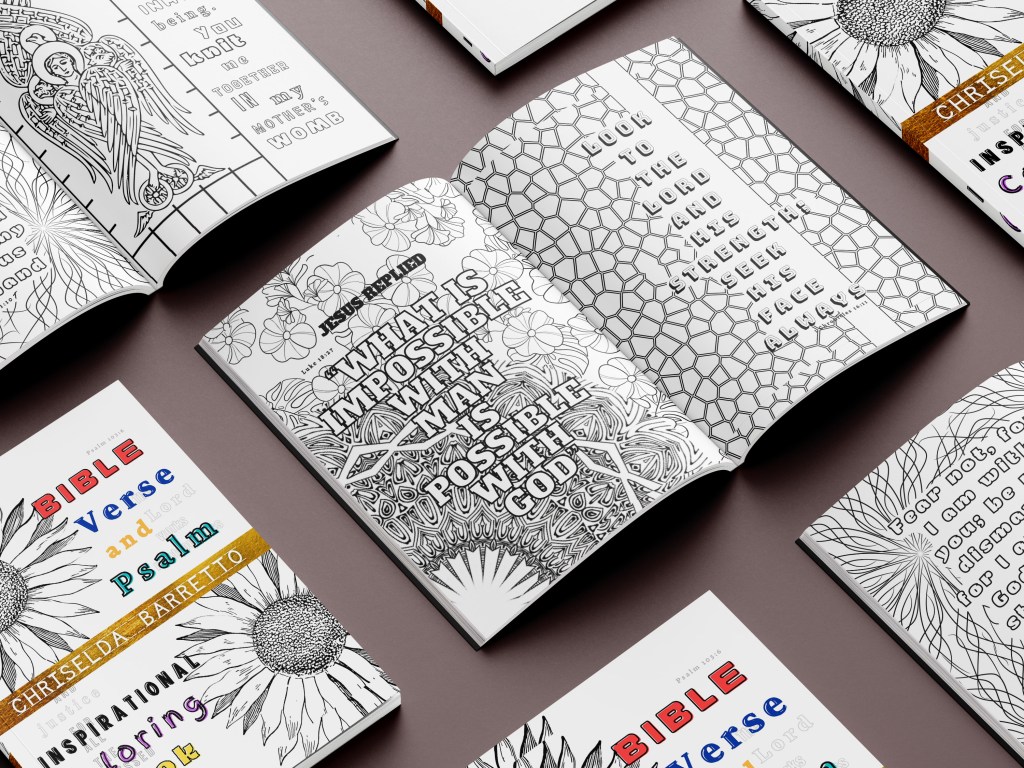
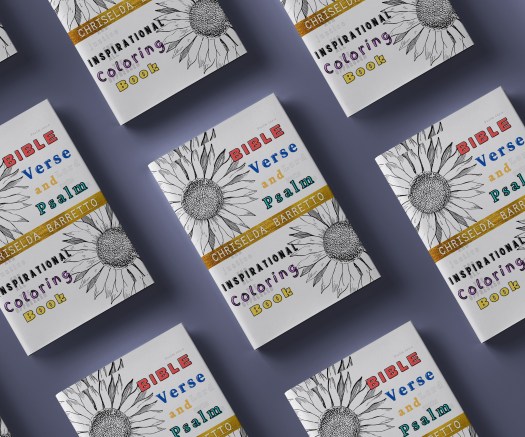
Get BIBLE VERSE AND PSALM INSPIRATIONAL COLORING BOOK
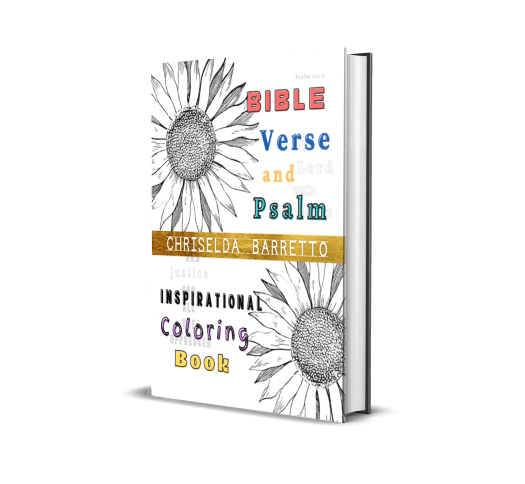
A beautifully curated bible verse and psalm collection coloring book to inspire, heal, relax and rejuvenate you daily. All the designs are done by hand and feature different patterns and mandalas to refocus on hope, faith, goodness and positivity. A perfect gift for family, friends or just simply to yourself. Allow prosperity and abundance into your life by affirming holy scripture.
Product Details:
Get BIBLE VERSE AND PSALM INSPIRATIONAL COLORING BOOK

The LTW Language Learning Series
Chriselda Barretto – Entire Kids Books Collection
Chriselda Barretto – Entire Book Collection
OTHER PROJECTS BY CHRISELDA BARRETTO
CHRISELDA’S PRE-ORDER COLLECTION
CHRISELDA BARRETTO – SOCIAL MEDIA LINKS
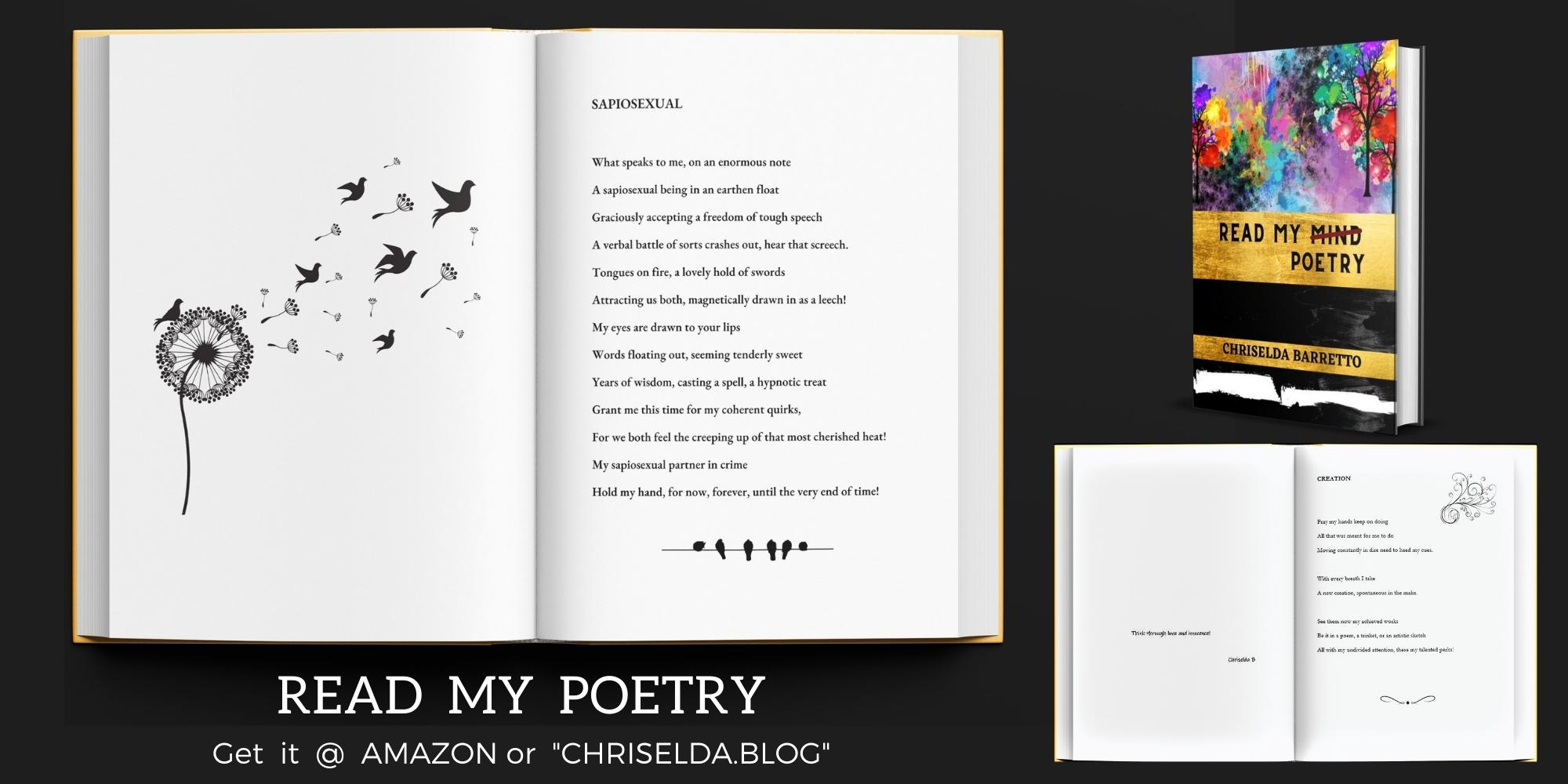
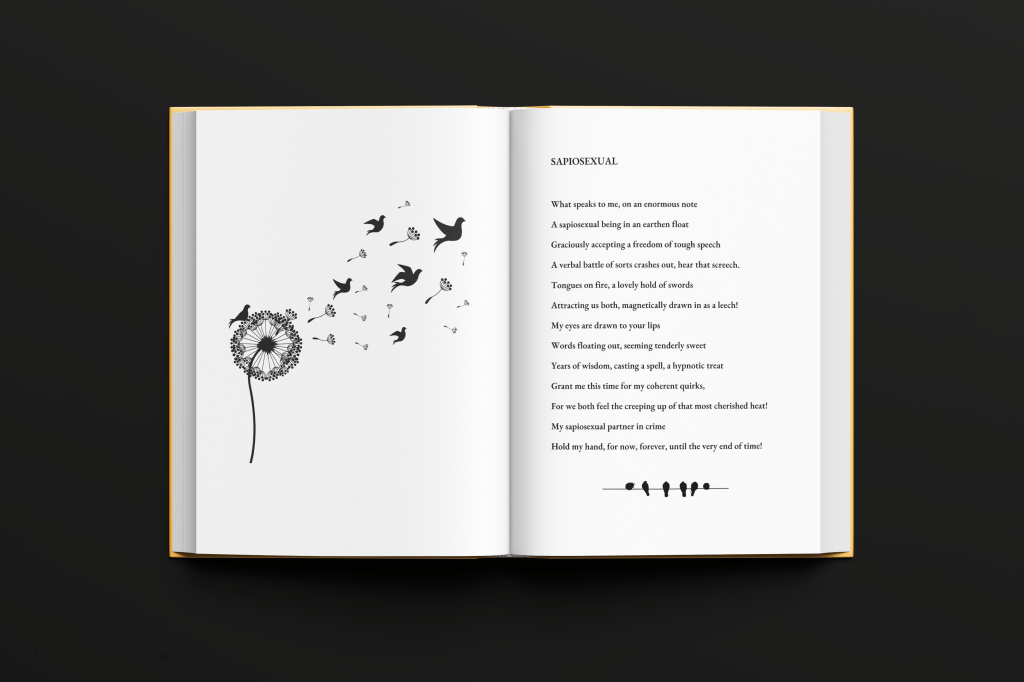
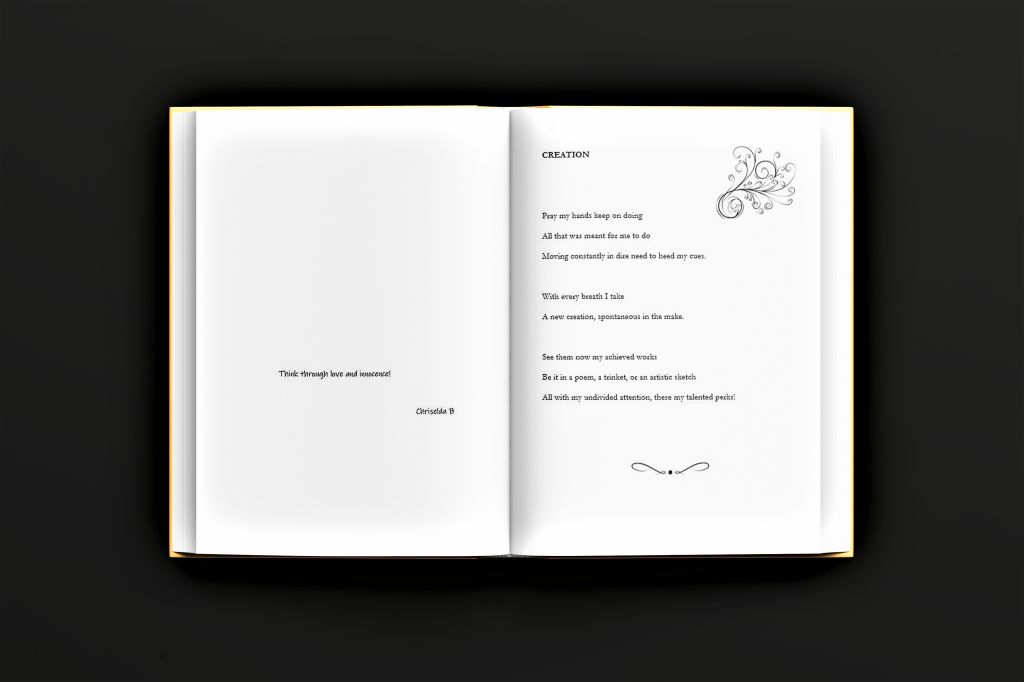
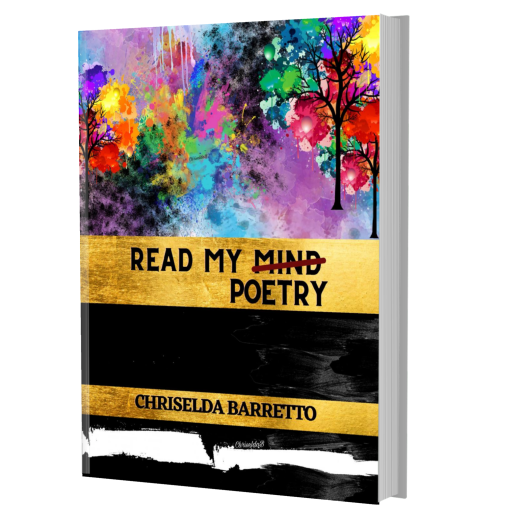
Featuring some of my poetry, quotes and art.
Available in all formats – Hardcover, Paperback and Kindle!
The LTW Language Learning Series
Chriselda Barretto – Entire Kids Books Collection
Chriselda Barretto – Entire Book Collection
OTHER PROJECTS BY CHRISELDA BARRETTO
CHRISELDA’S PRE-ORDER COLLECTION
CHRISELDA BARRETTO – SOCIAL MEDIA LINKS
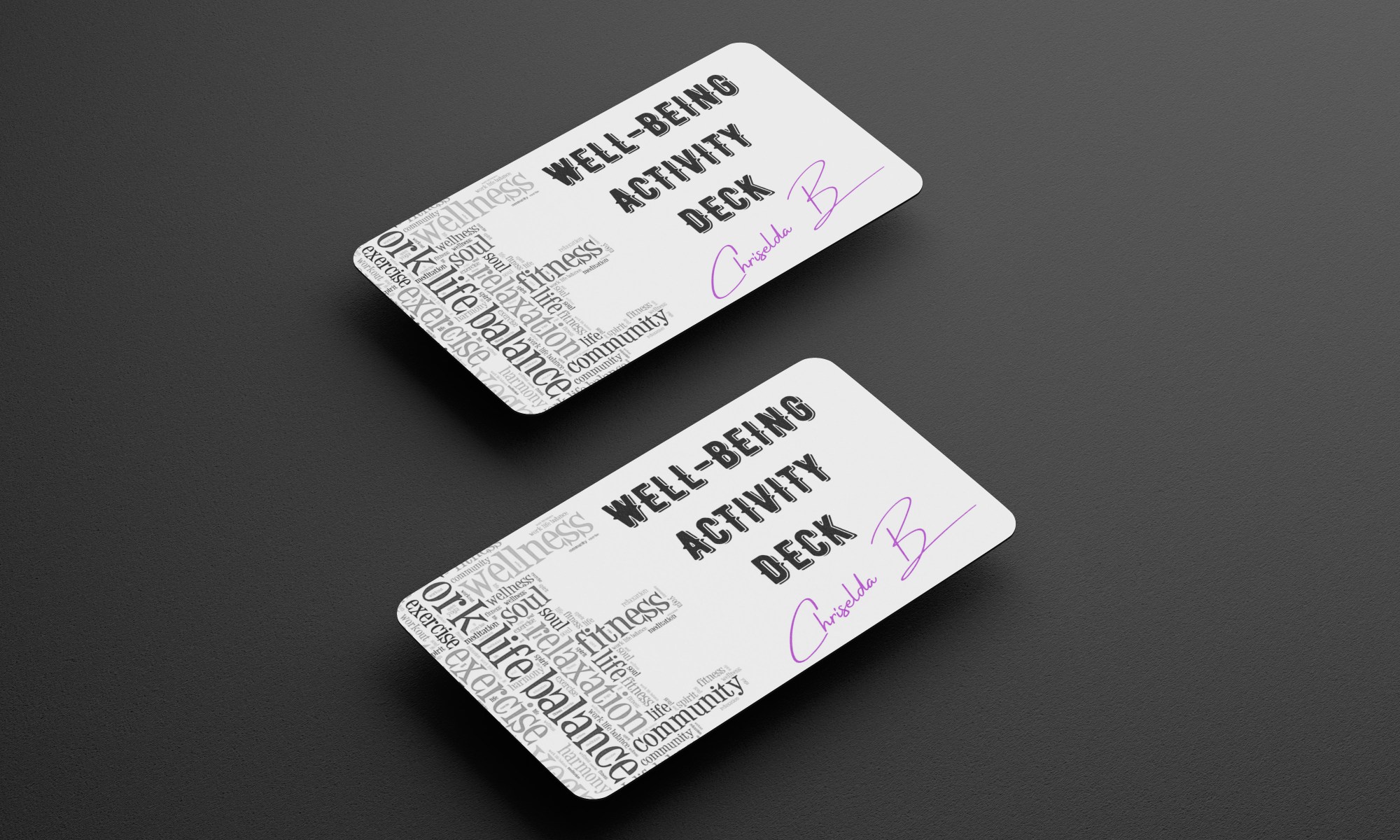
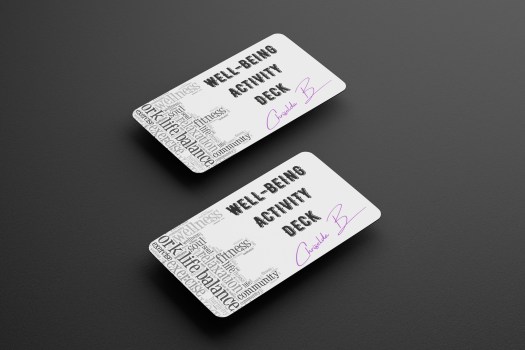
Well-being is defined as the state of being healthy, happy or comfortable.
Mental and Physical well-being promotes: Clearer thinking, Reduced anxiety, Improved moods, Inner peace and calm, Higher self-esteem, Reduced levels of depression, Healthy relationships.
Use this 103 micro-card Activity deck daily for your personal or professional well-being, at home, at work or simply on the go.
Play – Let Go – Heal – Grow.
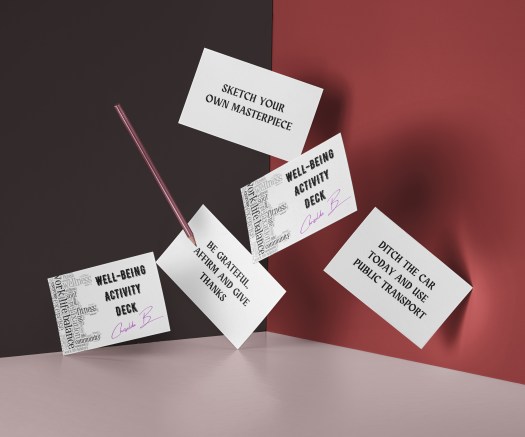

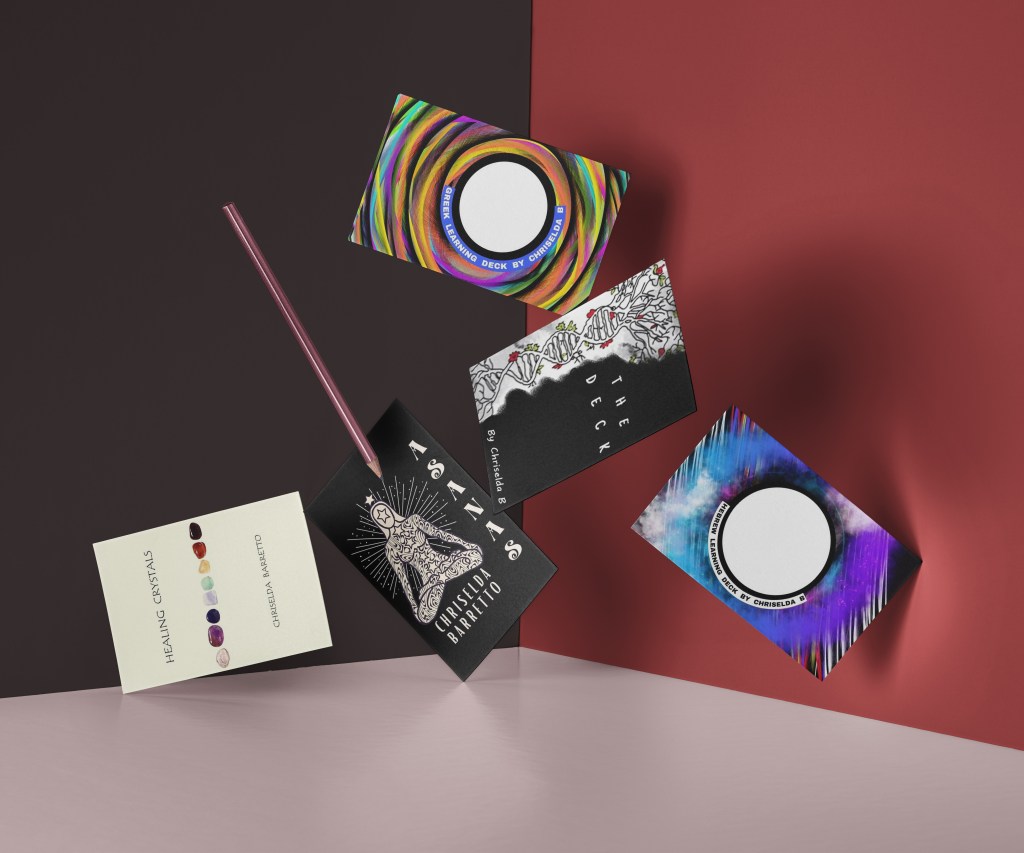
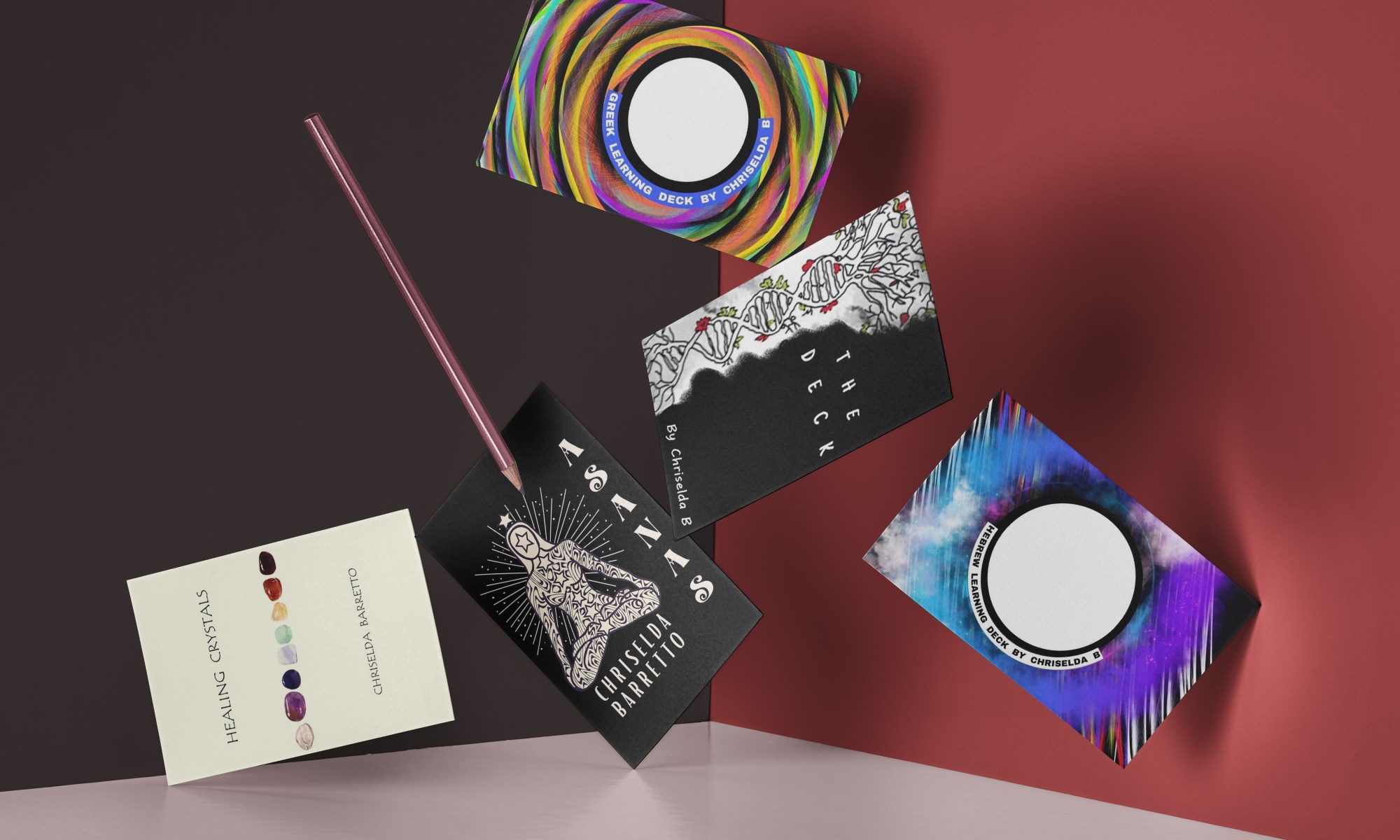
Also check out all my other Card Decks
The LTW Language Learning Series
Chriselda Barretto – Entire Kids Books Collection
Chriselda Barretto – Entire Book Collection
OTHER PROJECTS BY CHRISELDA BARRETTO
CHRISELDA’S PRE-ORDER COLLECTION
CHRISELDA BARRETTO – SOCIAL MEDIA LINKS
Guess what’s next… OK just a hint then 🙂
The LTW Language Learning Series
Chriselda Barretto – Entire Kids Books Collection
Chriselda Barretto – Entire Book Collection
OTHER PROJECTS BY CHRISELDA BARRETTO
CHRISELDA’S PRE-ORDER COLLECTION
CHRISELDA BARRETTO – SOCIAL MEDIA LINKS

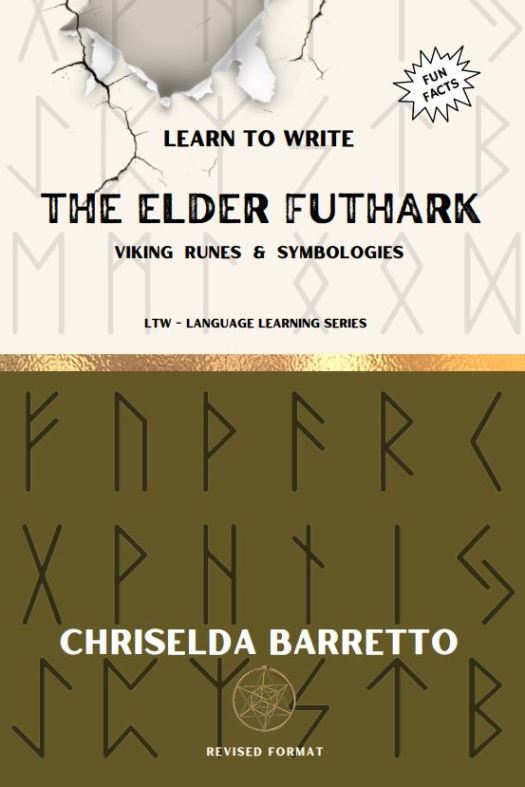
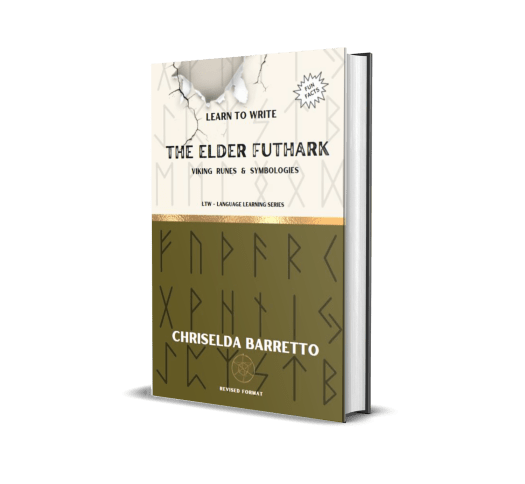
Also includes “Fun Facts” and “Test Your Mind”
Also known as the Older Futhark, Old Futhark, or Germanic Futhark, the Elder Futhark is the oldest form of the runic alphabets.
It was a writing system used by Germanic peoples for Northwest Germanic dialects in the Migration Period. Inscriptions are found on artifacts including jewelry, amulets, plate ware, tools, and weapons, as well as runestones in Scandinavia, from the 2nd to the 10th centuries.
According to Norse mythology, the runes weren’t invented but rather given to Odin as a divine gift, after he sacrificed himself by hanging from a tree for 9 days and nights.
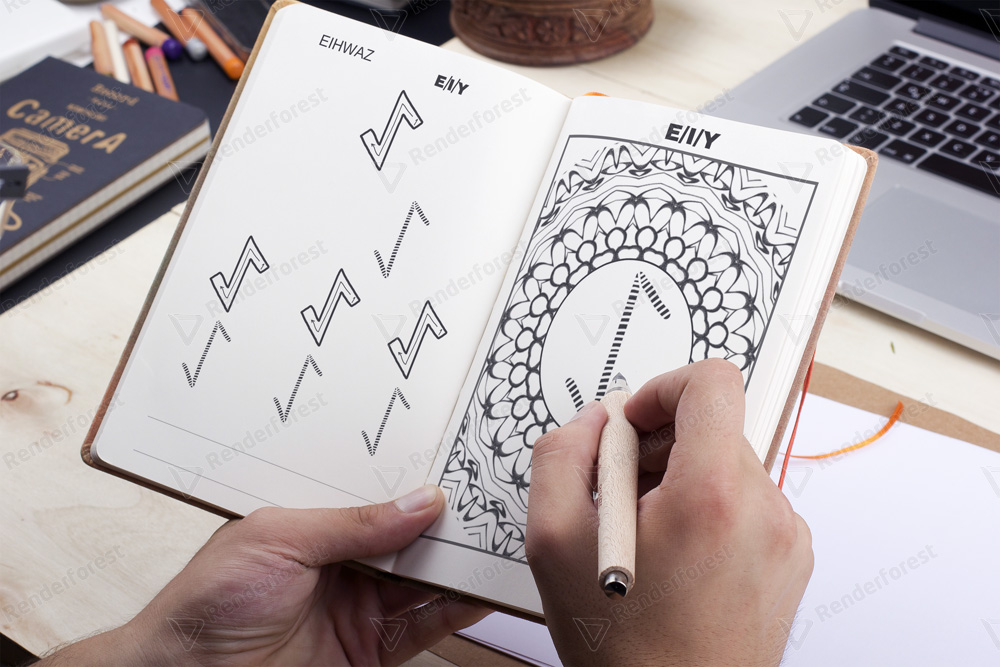
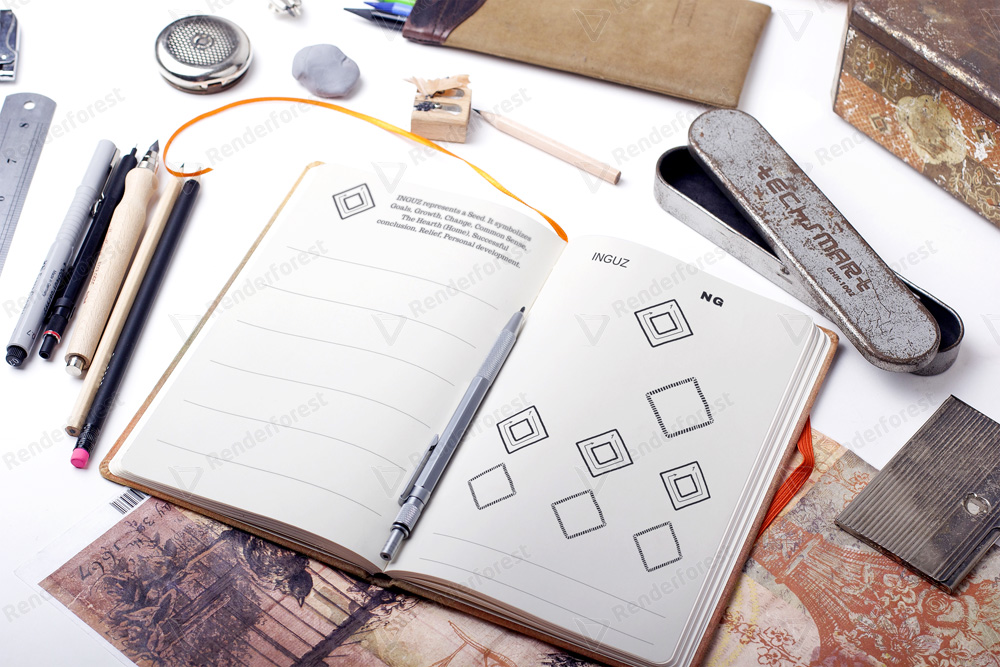
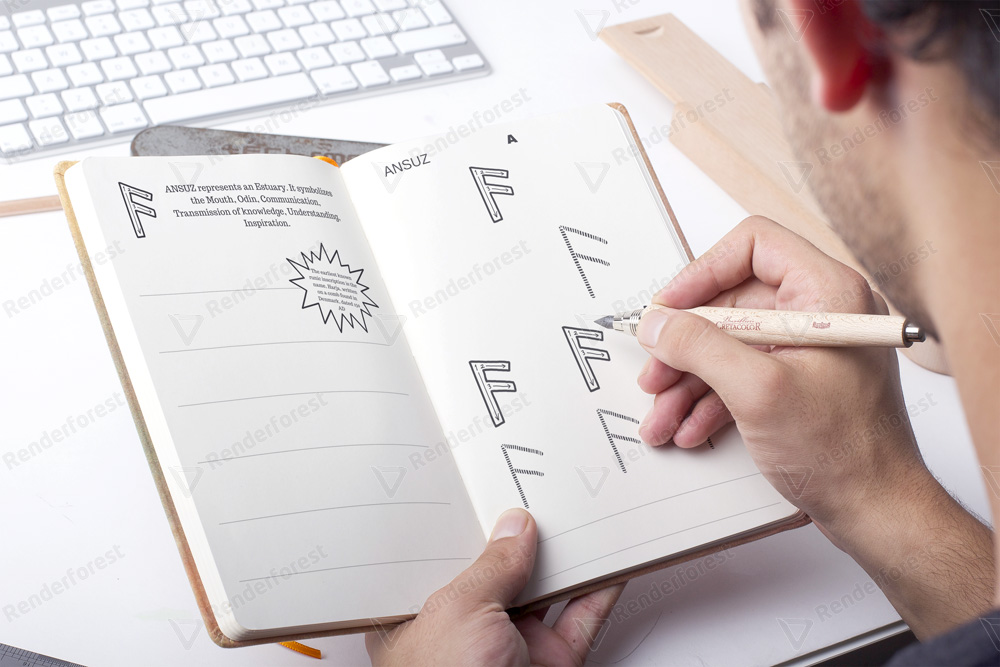
What makes ‘Learn To Write’ language learning books unique:

The LTW Language Learning Series
Chriselda Barretto – Entire Kids Books Collection
Chriselda Barretto – Entire Book Collection
OTHER PROJECTS BY CHRISELDA BARRETTO
CHRISELDA’S PRE-ORDER COLLECTION
CHRISELDA BARRETTO – SOCIAL MEDIA LINKS
After much demand, here is what might be up next. My current WIP.
Look out for it!

The LTW Language Learning Series
Chriselda Barretto – Entire Kids Books Collection
Chriselda Barretto – Entire Book Collection
OTHER PROJECTS BY CHRISELDA BARRETTO
CHRISELDA’S PRE-ORDER COLLECTION
CHRISELDA BARRETTO – SOCIAL MEDIA LINKS
 Chriselda Barretto