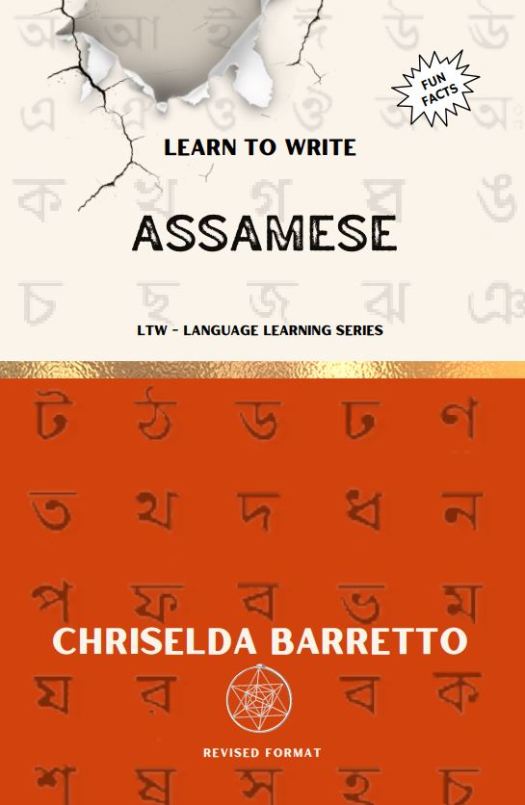
Assamese is the easternmost Indo-Aryan language composed in between eight and twelfth centuries, spoken by over 23 million speakers. It is the official language of Assam but is also used in parts of Arunachal Pradesh and other northeast Indian states.
The language had a unique style of writing, on the bark of the Saanchi tree.
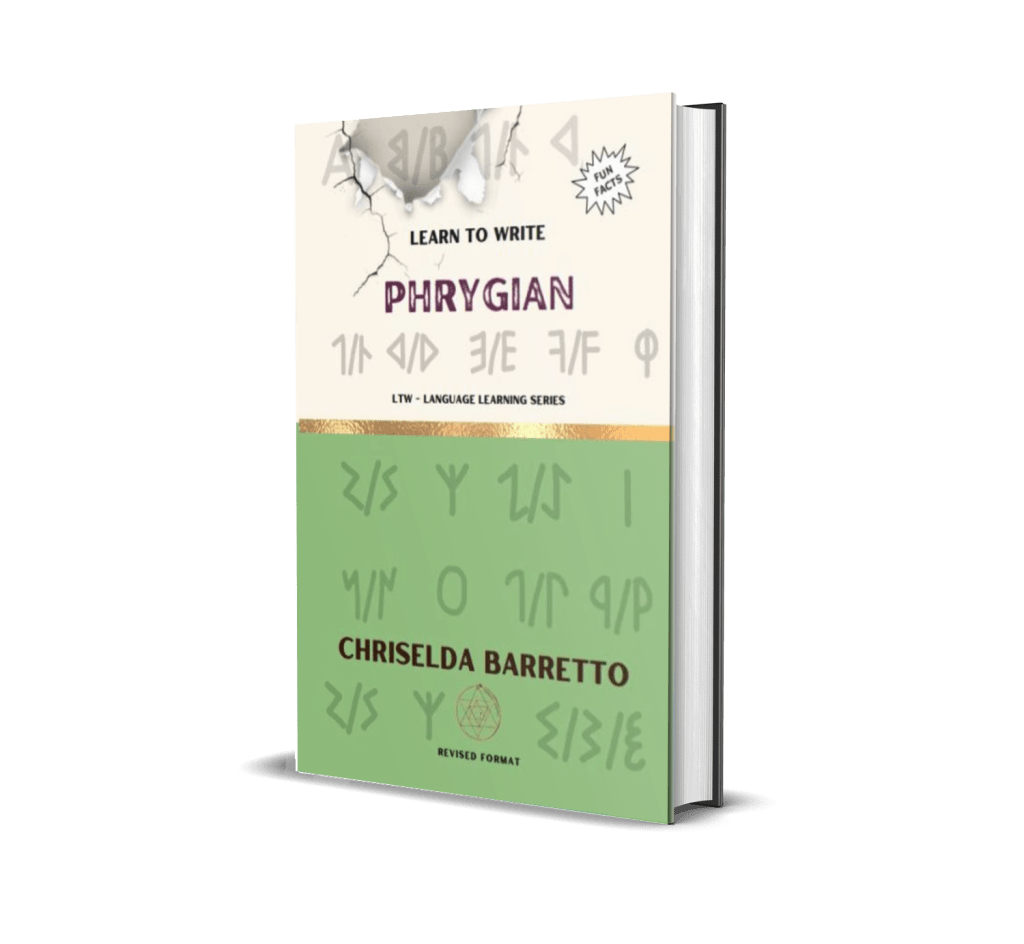
By the 8th century BC, the Phrygians emerged as a strong political entity and their King Midas was mentioned in the Assyrian records as King of the Mushki. They were a prosperous nation that established a great Kingdom during the Iron age in Anatolia.
The Phrygian language is one of the oldest and least attested Indo-European languages. This script was usually written from left to right.
Coptic language is an Afro-Asiatic language. Spoken in Egypt from about the 2nd century CE, it represents the final stage of the ancient Egyptian language. In contrast to earlier stages of Egyptian, which used hieroglyphic writing, hieratic script, or demotic script, Coptic was written in the Greek alphabet, supplemented by seven letters borrowed from demotic writing.
Coptic also replaced the religious terms and expressions of earlier Egyptian with words borrowed from Greek.
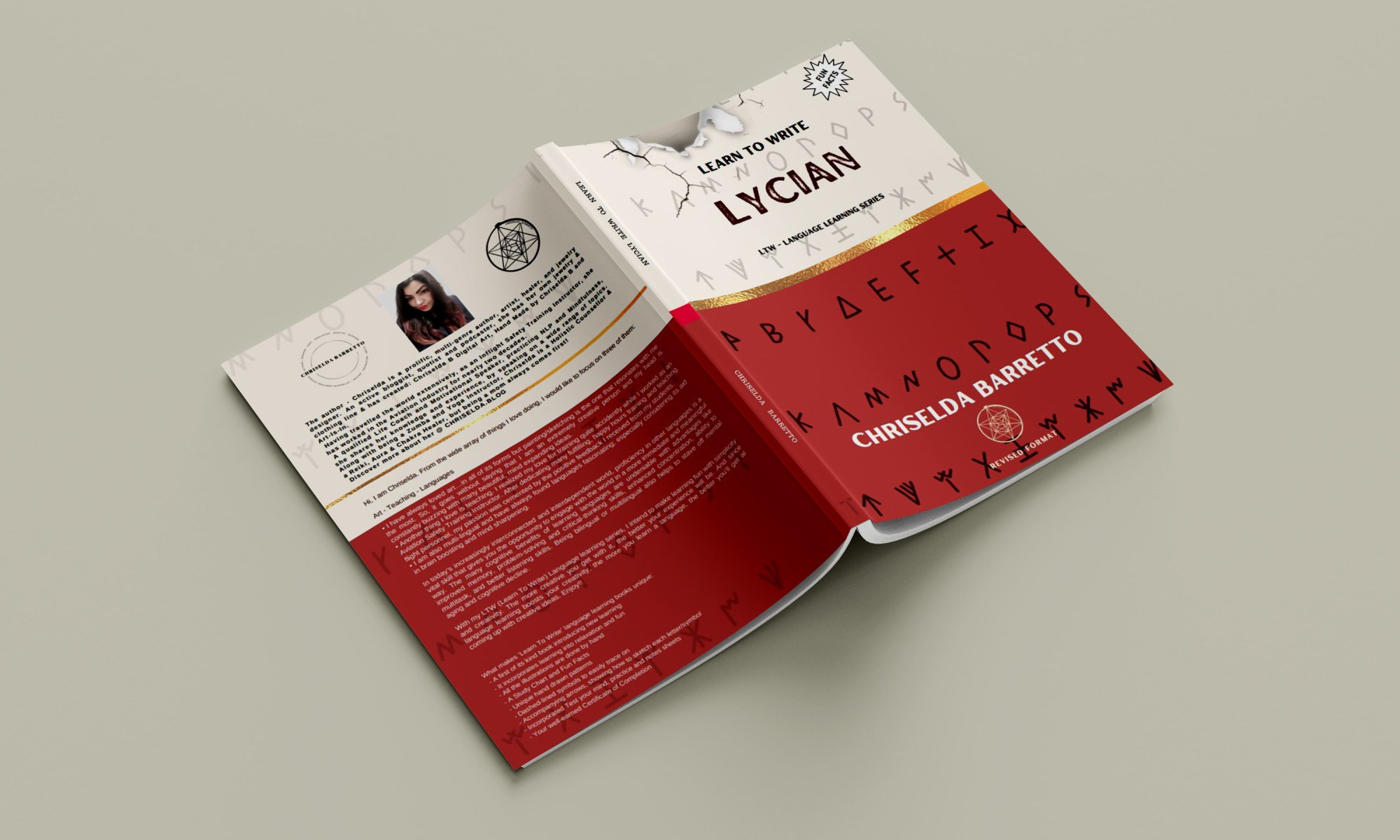
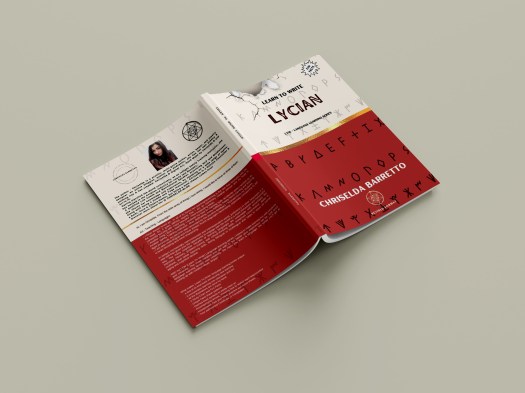
The Lycian alphabet was used during 500-330 BC, to write the Lycian language of the Asia Minor region of Lycia. It was one of the ancient Anatolian languages.
Evidence for Lycian consists of more than 150 inscriptions on stone, some 200 on coins, and a handful on other objects. An extension of the Greek alphabet, with half a dozen additional letters for sounds not found in Greek, it was largely similar to the Lydian and the Phrygian alphabets.
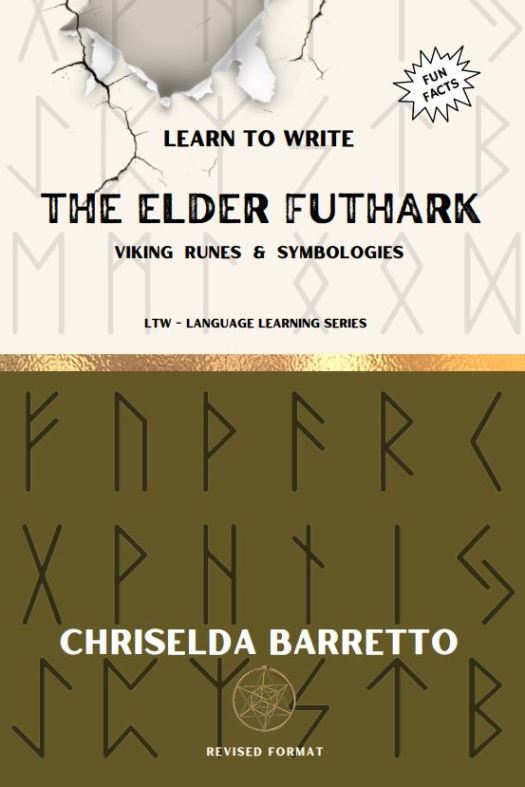
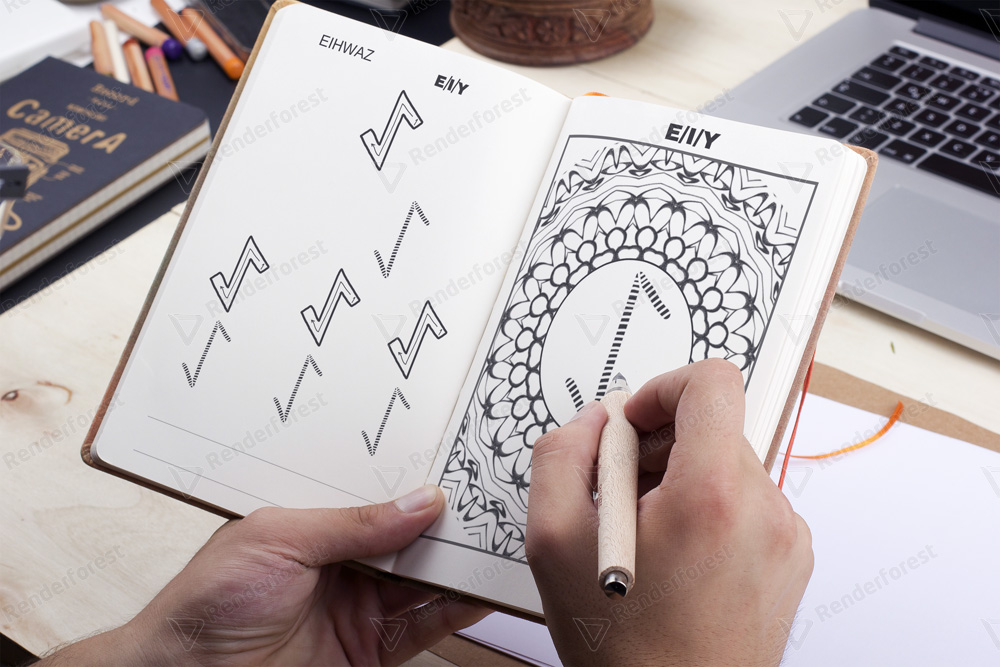
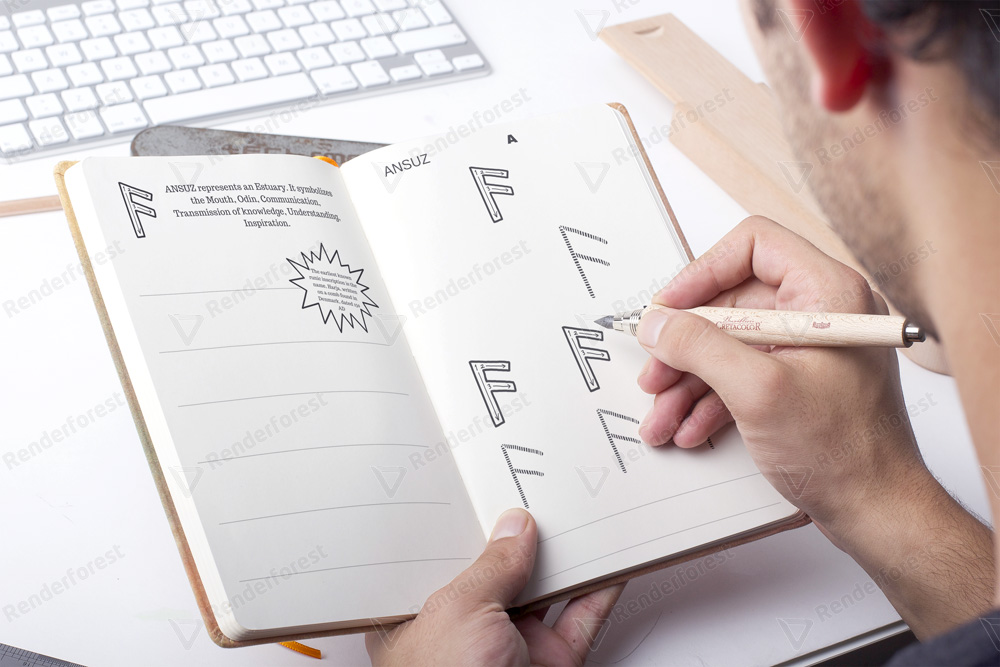
Also known as the Older Futhark, Old Futhark, or Germanic Futhark, the Elder Futhark is the oldest form of the runic alphabets.
It was a writing system used by Germanic peoples for Northwest Germanic dialects in the Migration Period. Inscriptions are found on artifacts including jewelry, amulets, plate ware, tools, and weapons, as well as runestones in Scandinavia, from the 2nd to the 10th centuries.
According to Norse mythology, the runes weren’t invented but rather given to Odin as a divine gift, after he sacrificed himself by hanging from a tree for 9 days and nights.
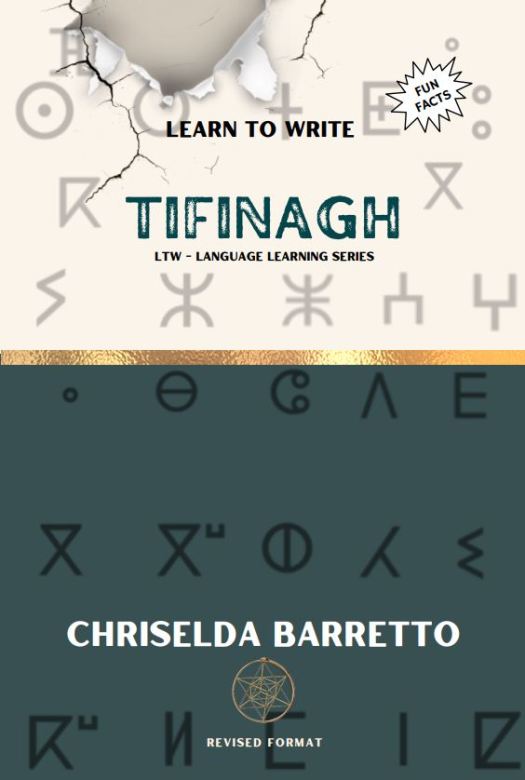
Introduced in the 20th century, Neo-Tifinagh is a modern alphabetical derivative of the traditional script. It is an abjad script used to write the Berber languages. Tifinagh is believed to be a descendant of the ancient Libyan script.
The Tifinagh alphabet (“Lybico-berber”) has been used by the Berber speaking people in North Africa and the Canary Islands at least from the third century B.C. up to the third century A.D.
Modern standard writing direction is left-to-right, however earlier inscriptions are known to be from right-to-left, and sometimes vertically from bottom-to-top. The letters illustrated here are the IRCAM version of Neo-Tifinagh.























 Chriselda Barretto