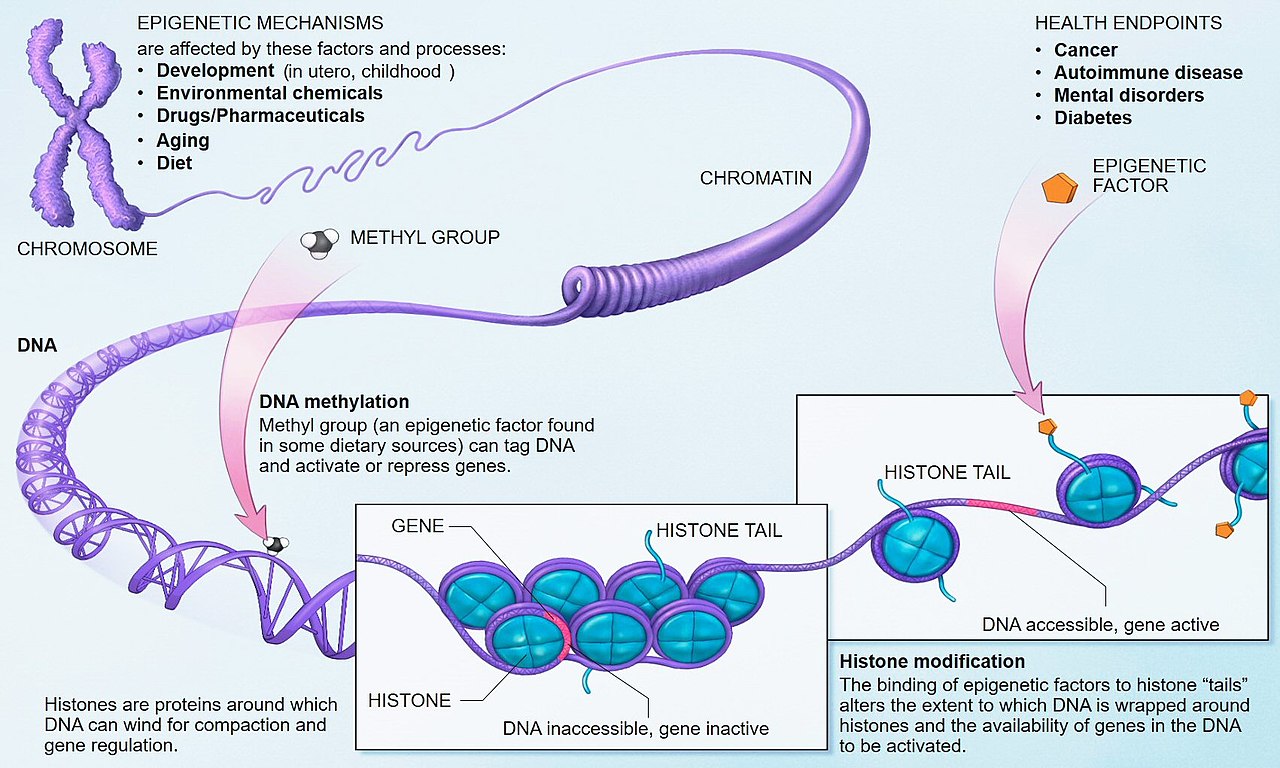
Transgenerational epigenetic inheritance is the idea that epigenetic marks (i.e., DNA methylation, histone modifications) can be acquired on the DNA of one generation and stably passed on through the gametes (i.e., sperm and eggs) to the next generation. In other words, experiences and environmental exposures can change the way your DNA works (without changing the DNA itself) and this could be passed on to your offspring.
1. Licentiate in
Experimental and Theoretical Psychology (Research psychologist)
Today this is called Master of Science in Experimental and Theoretical Psychology
2. Associate’s degree
in Electronic Engineering
3. Associate’s degree
in Biomedical Engineering
Separate courses:
1. Biomedical
Electronics (M.Sc. in Electronics and ICT Engineering Technology)
2. Biomedical Product
Development (M.Sc. in Biomedical Engineering)
3. Neuromodulation and
Imaging (M.Sc. in Biomedical Engineering)
Experience:
29 years experience in IT, Software developer, Web developer, System administrator
Organizations:
Board member of
Section Neuroscience and Psychophysiology [2017-present]
Section
Psychophysiology [2012 – 2017] organization position Board member and Technical
Advisor until it merged into the Section Neuroscience and Psychophysiology
QNBG (Quantified Neurophysiology Belgium Group) [1999 – 2005] as Scientific and Technical coordinator
Daniel Dumalin Contact:
AerotoxBrain@proximus.be
Daniel
Dumalin Publication:
Dumalin, D. (2017). The Contingent Negative Variation: The Cumulative Curve Method Revisited. In P. Sittiprapaporn (Ed.), Event-Related Potentials and Evoked Potentials (pp. 51-66). Intech. doi:10.5772/65183





 Chriselda Barretto