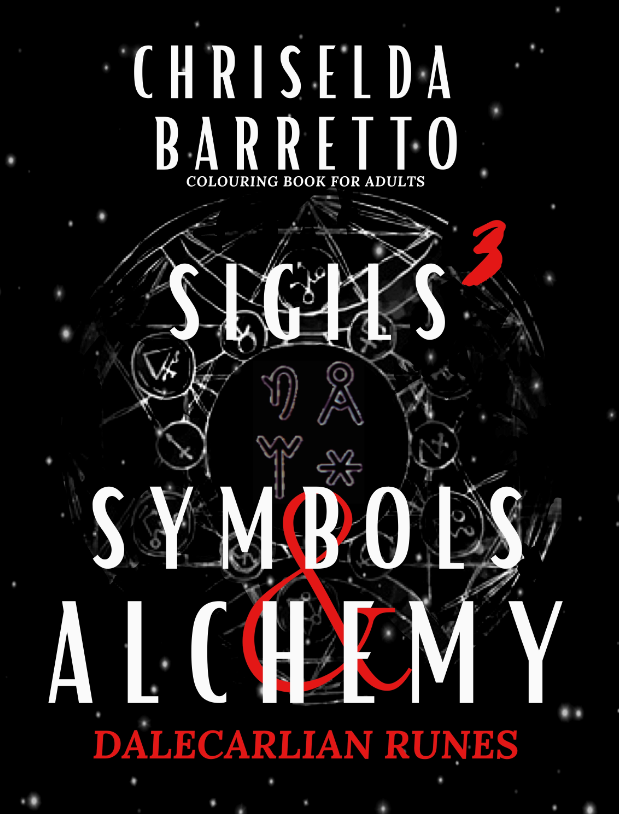
The Dalecarlian runes, or dalrunes, was a late version of the runic script that was in use in the Swedish province of Dalarna until the 20th century. The province has consequently been called the “last stronghold of the Germanic script”.
When Carl Linnaeus visited Älvdalen in Dalarna in 1734, he made the following note in his diary: “The peasants in the community here, apart from using rune staves, still today write their names and ownership marks with runic letters, as is seen on walls, corner stones, bowls, etc. Which one does not know to be still continued anywhere else in Sweden.”
Sooooo…I was in the recording studio today and this is what I heard….sooooo hot…..can’t wait for the single to come out…that beat gets me every time…love it ♥️😍
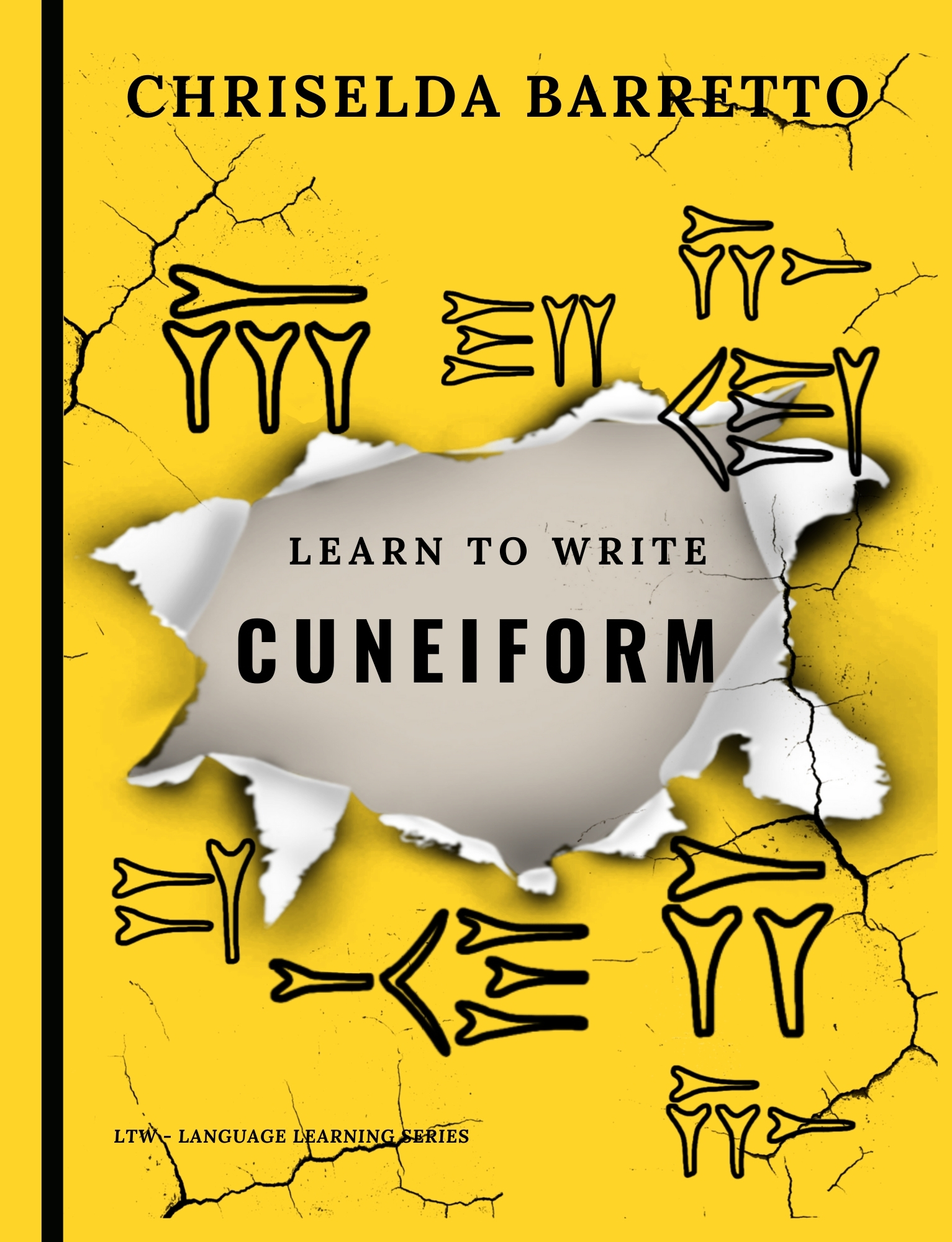
*Cuneiform is a logo-syllabic script that was used to write several languages of the Ancient Near East. The script was in active use from the early Bronze Age until the beginning of the Common Era. It is named for the characteristic wedge-shaped impressions (Latin: cuneus) which form its signs. Cuneiform originally developed to write the Sumerian language of southern Mesopotamia (modern Iraq). Along with Egyptian hieroglyphs, it is one of the earliest writing systems.
‘Learn to Write Cuneiform ‘ is next in the line up of my LTW (Learn To Write) Series. Keep a look out for it….
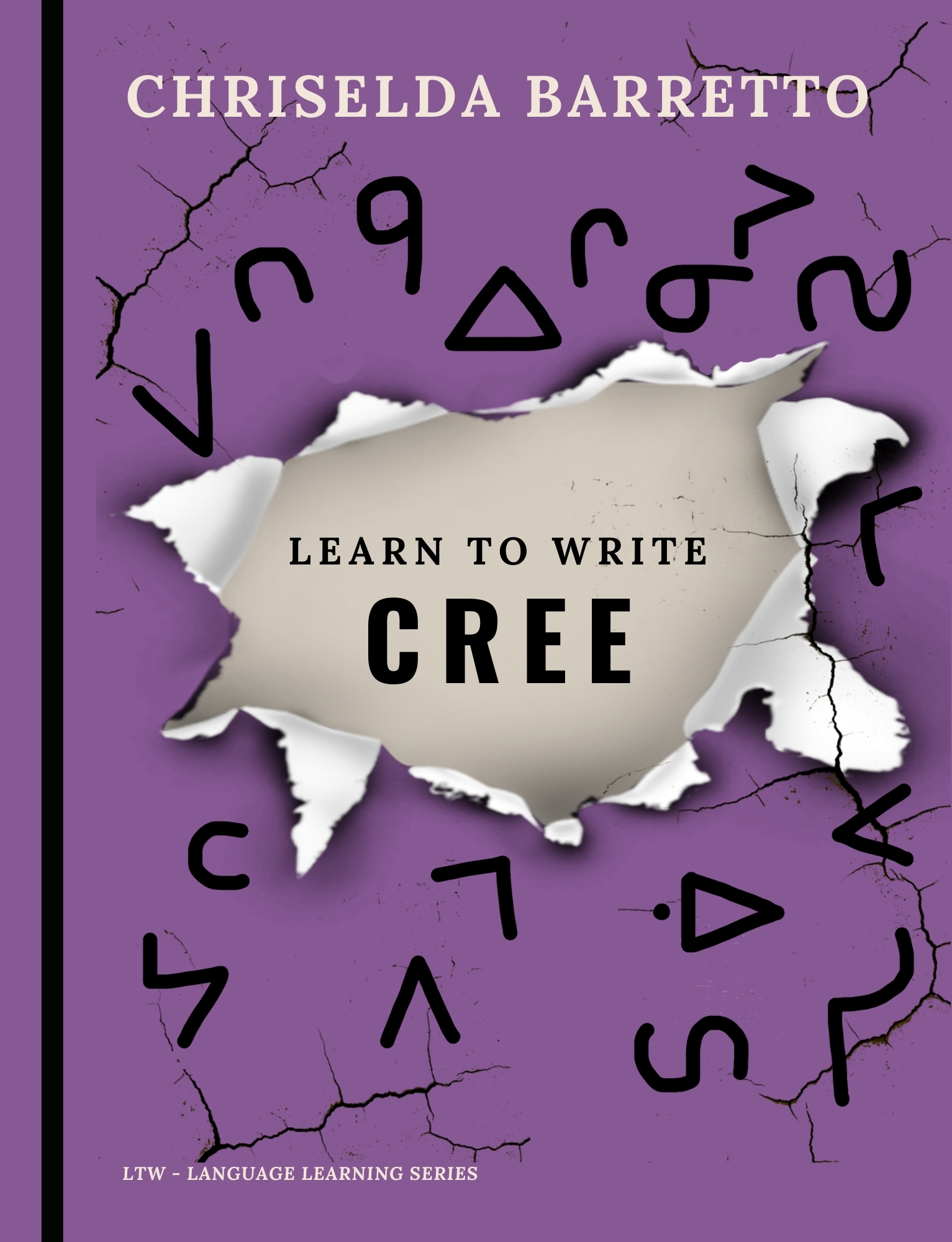
*Cree also known as Cree–Montagnais–Naskapi is a dialect continuum of Algonquian languages spoken by approximately 117,000 people across Canada, from the Northwest Territories to Alberta to Labrador. If considered one language, it is the aboriginal language with the highest number of speakers in Canada. The only region where Cree has any official status is in the Northwest Territories, alongside eight other aboriginal languages. There, Cree is spoken mainly in Fort Smith and Hay River.
‘Learn to Write Cree’ is next in the line up of my LTW (Learn To Write) Series. Keep a look out for it….













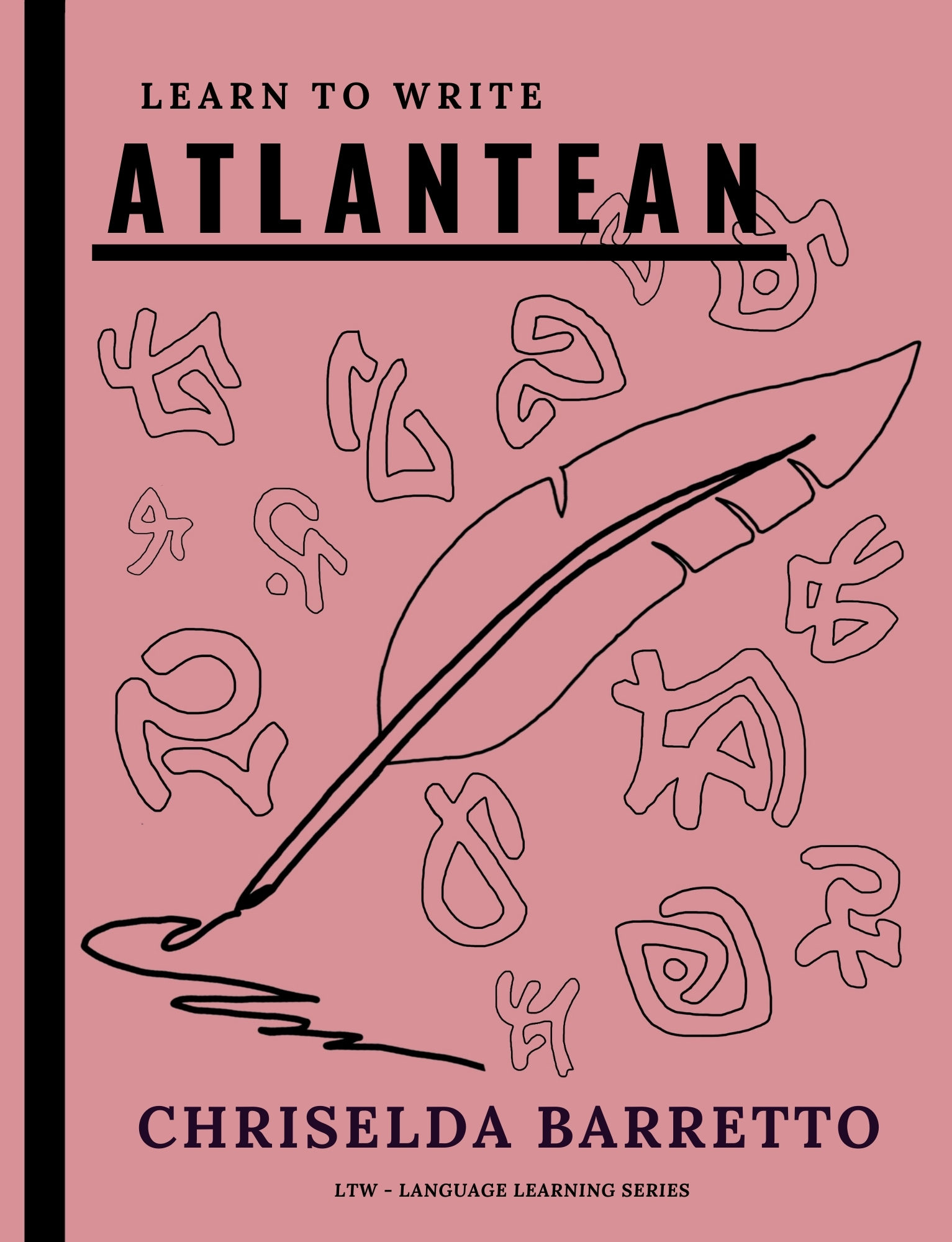
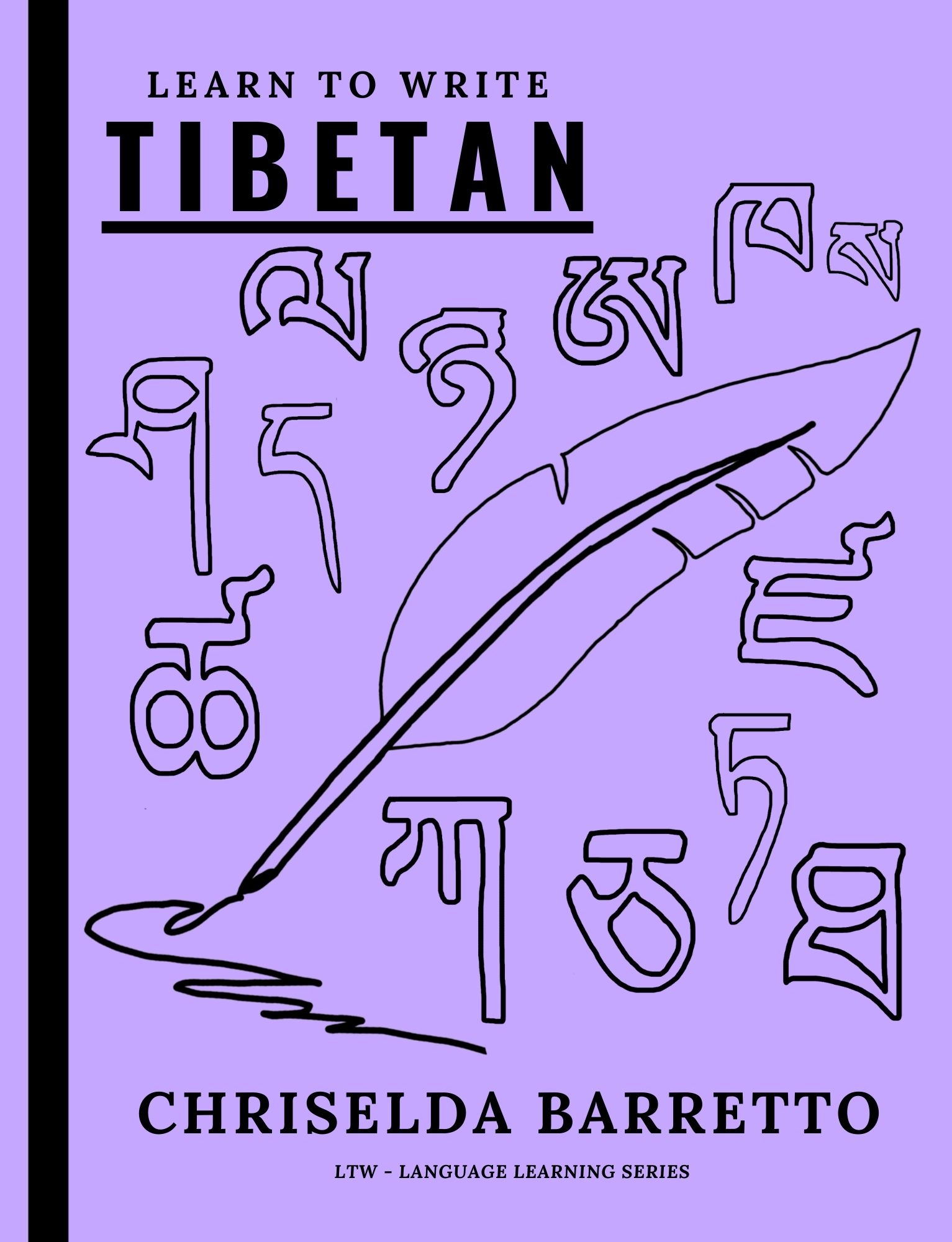
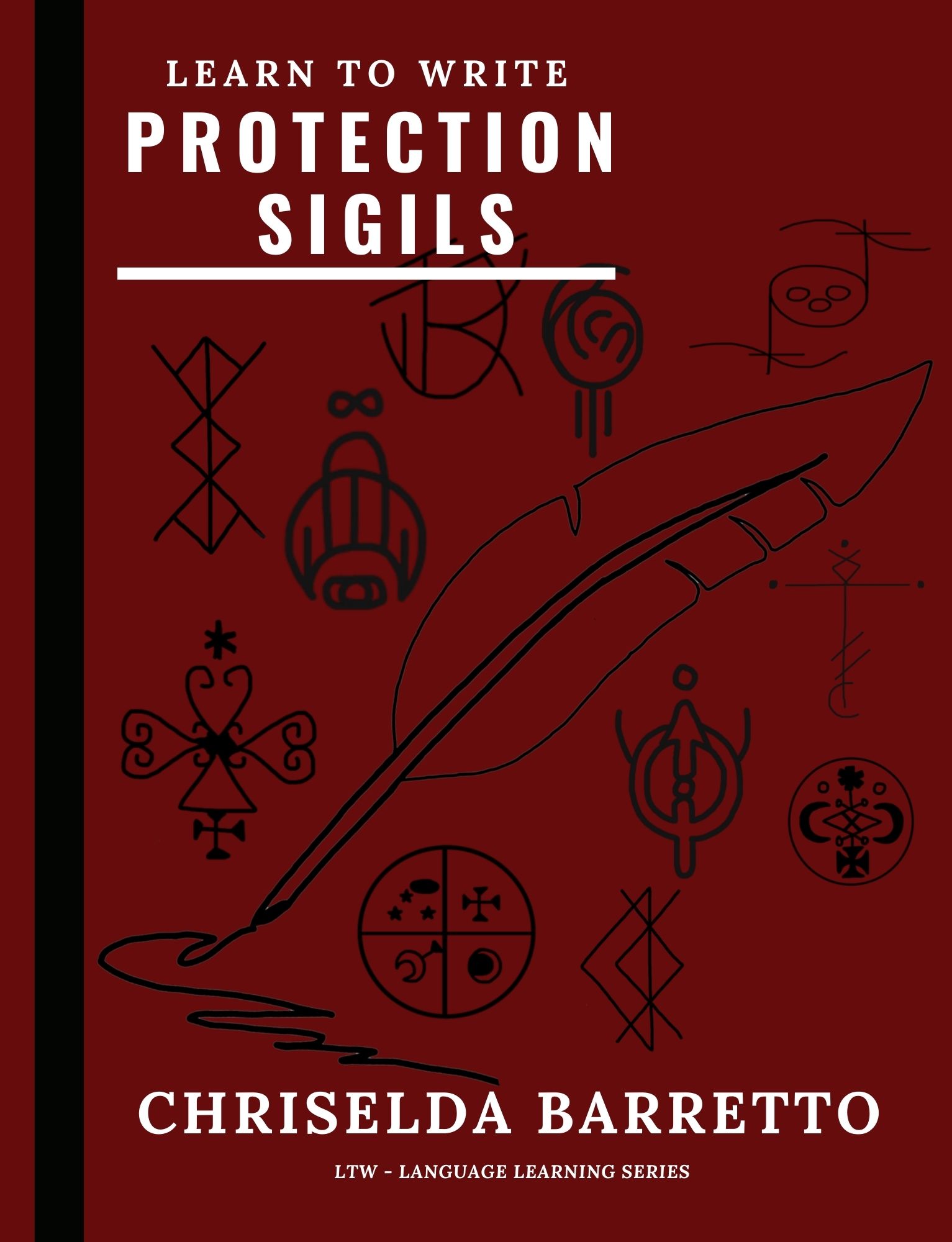
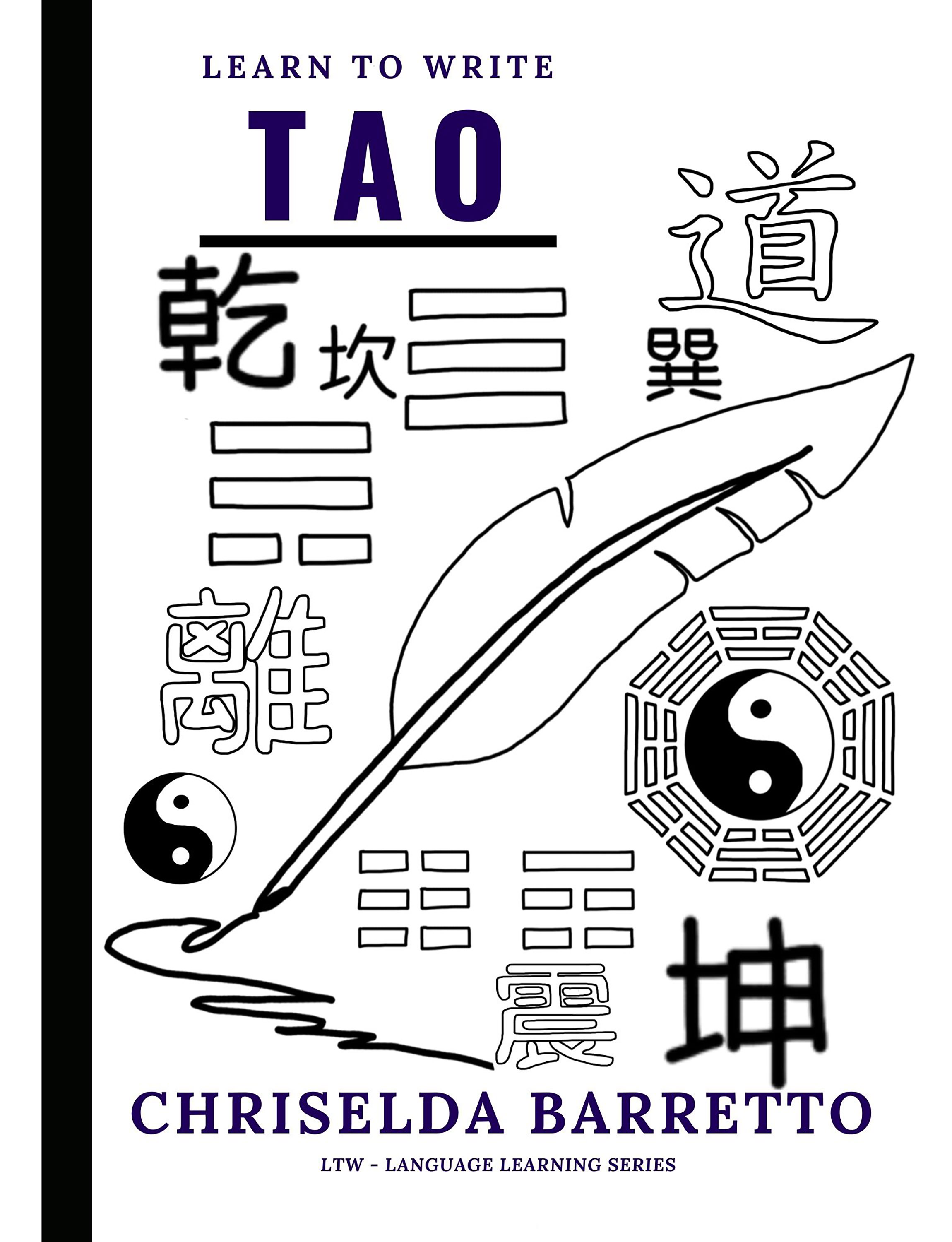
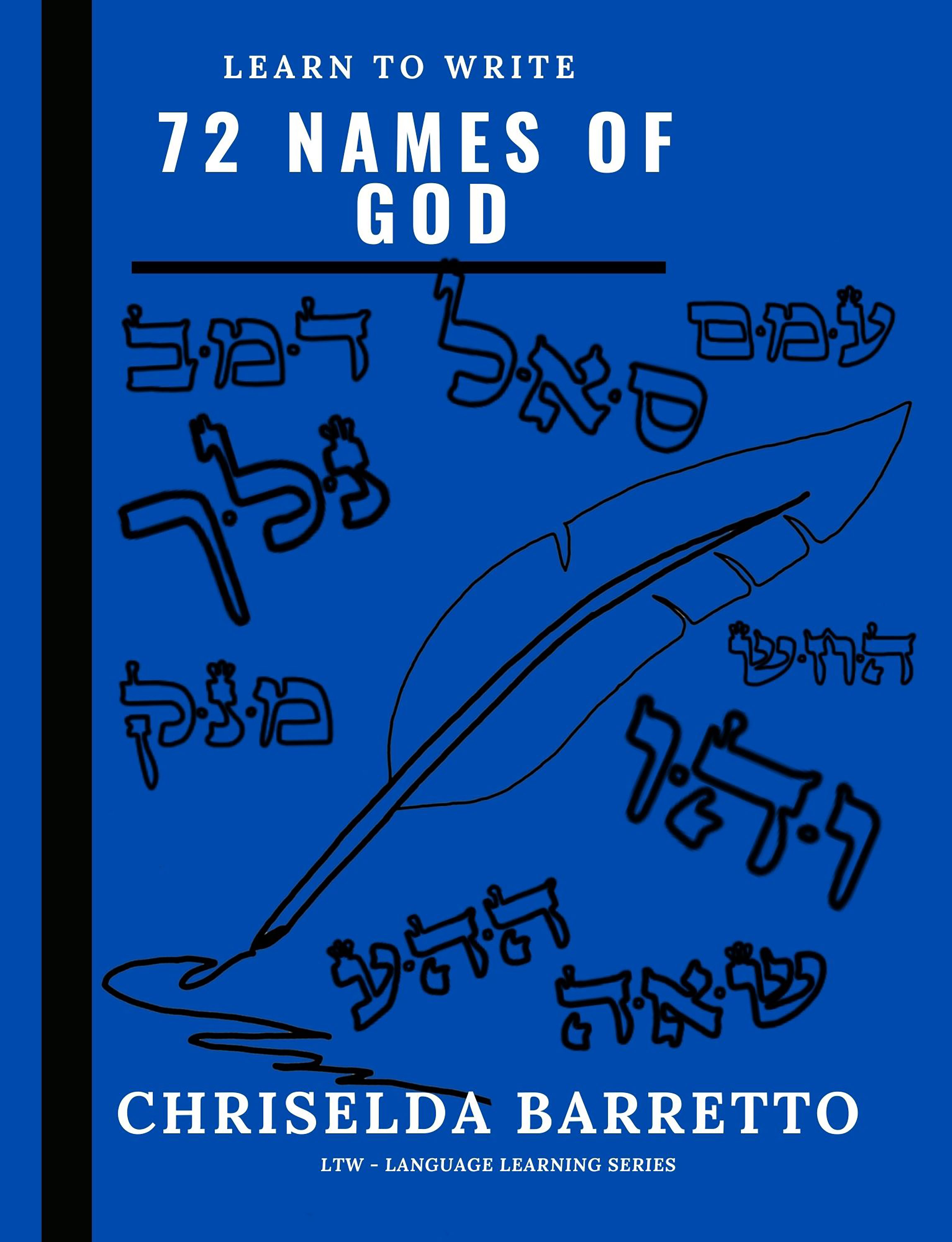
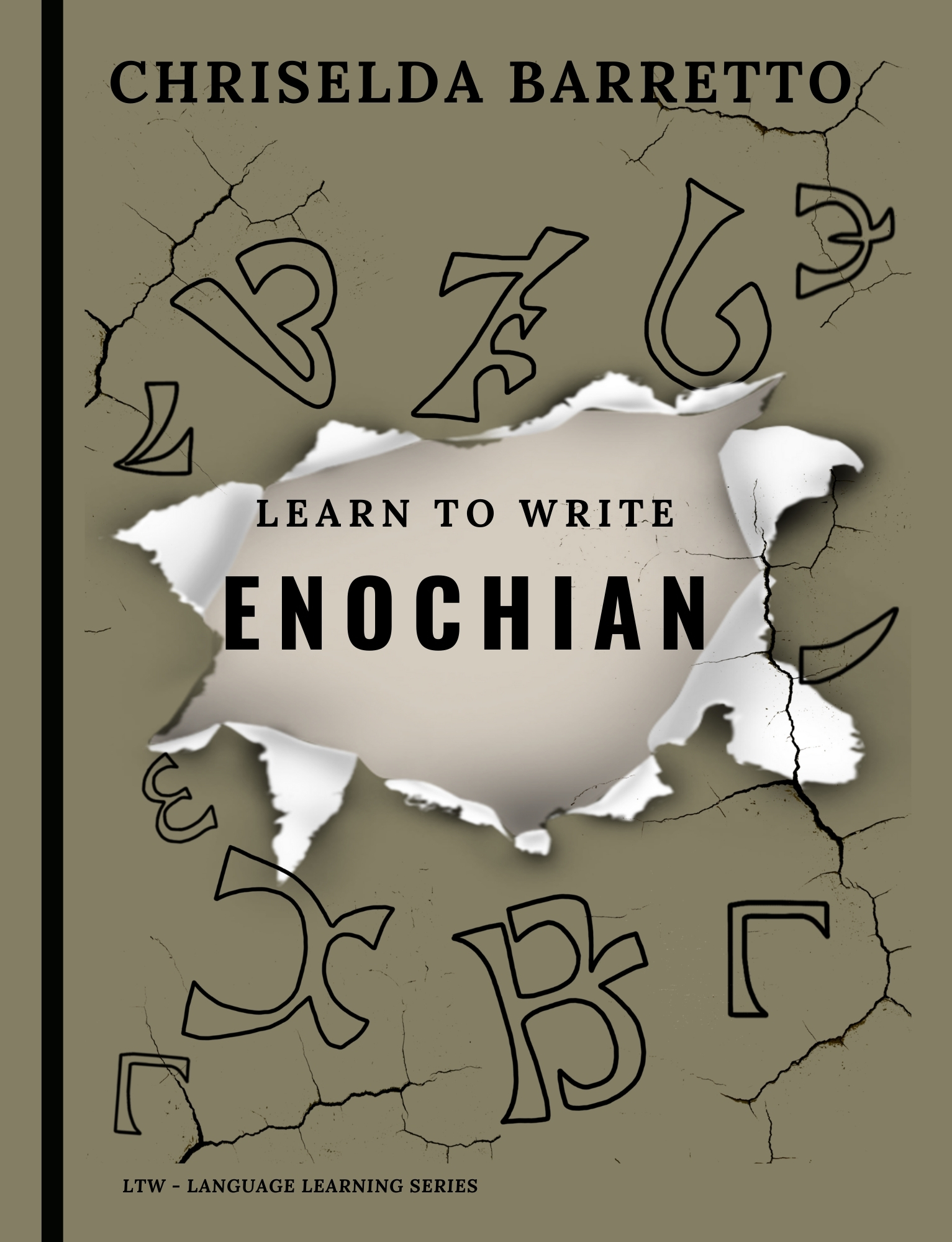


 Chriselda Barretto